Revolutionize Mining with the Powerful Underground Loaders
In underground mining, efficiency and safety are not optional—they are vital. That is why underground loaders have become the core of current mining work. These machines do more than move rock. They change how mines run. From carrying lots of ore through tight tunnels to allowing full automation, today’s underground loaders are transforming the field.
Underground Loaders in Modern Mining
Key Functions of Underground Loaders in Mining Operations
Underground loaders, such as scoop trams and Load-Haul-Dump (LHD) units, serve a critical purpose. They move both ore and waste from the working face to the haulage system. This process is central to keeping a productive mining cycle.
Their small build lets them move through narrow tunnel networks. This is key in room-and-pillar or cut-and-fill mining setups. Good maneuverability ensures steady material flow. It cuts downtime and boosts throughput.
Evolution of Underground Loader Technology
The growth of underground loaders has followed progress in mining tools. Early systems were manual or needed constant human watch. Now, we have semi-automated and fully self-running machines. They can work with little help.
Modern LHDs have strong hydraulics, onboard data tools, and smart control systems. These track performance in real time. Also, the move to electric and battery-powered models helps with green goals. They cut emissions and improve air quality underground.
Categories of Underground Loaders Used in Mining
Scoop Loaders and Their Role in Ore Handling
Scoop loaders are made for mucking. That means clearing broken rock after blasting. Then, they haul it short distances. Their low-profile design lets them work in slim drifts. They do this without losing payload.
They are very useful in room-and-pillar mining. There, picking specific ore is important. Their simple setup makes them trusty tools in small or starting operations.
Load-Haul-Dump (LHD) Loaders for Versatile Applications
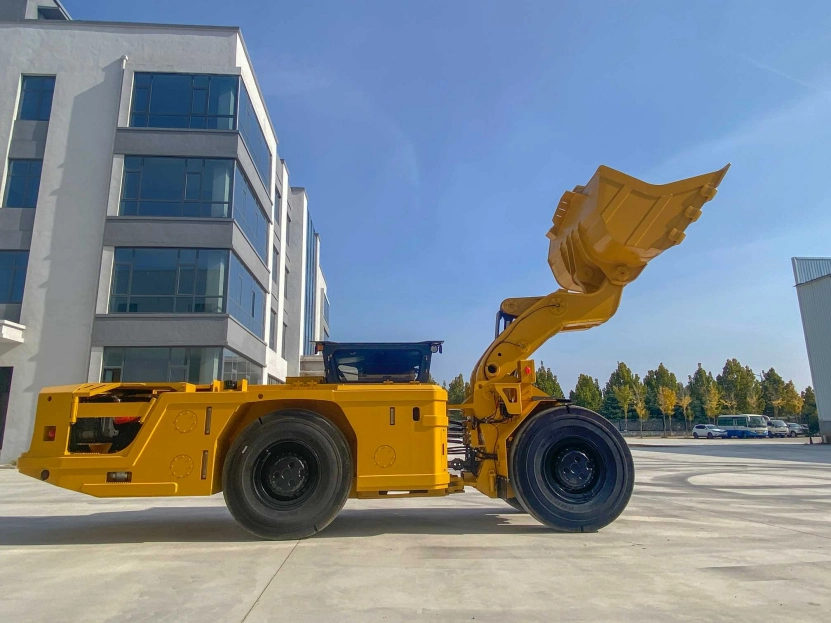
LHDs combine three actions—loading, hauling, and dumping—into a smooth process. This makes them flexible for different mining spots.
They have articulated steering. So, these machines can handle sharp turns even with heavy loads. They come in diesel, electric, and battery types. Operators can pick based on air flow needs and eco targets.
Dali manufactures a comprehensive range of LHD loaders, designed for power, maneuverability, and durability under extreme underground conditions.
Underground Haul Trucks for Long-Distance Transport
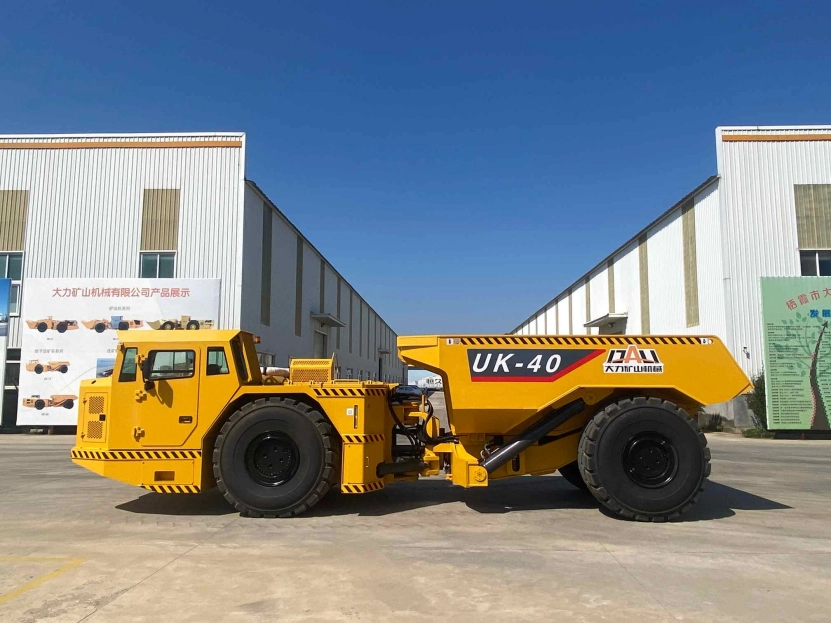
When ore must go over longer paths in the mine, underground trucks take over. These vehicles are built for big payload and strong build.
They often pair with LHDs. While the LHD does short-range loading and dumping, the underground truck handles longer trips to crushers or skip shafts.
Their tough frames and good drivetrains let them manage steep slopes and rough ground. They do this without too much wear.
Comparing Loader Types Based on Performance Metrics
Each loader type brings a different set of strengths:
| Loader Type | Typical Payload | Cycle Time | Fuel/Energy Type | Ideal Use Case |
| Scoop Loader | 3–6 tonnes | Fast | Diesel/Electric | Short-range mucking |
| LHD Loader | 5–20 tonnes | Medium | Diesel/Battery | Loading & mid-range transport |
| Underground Truck | 20–60 tonnes | Slow | Diesel/Battery | Long-haul ore transport |
Selection depends on tunnel dimensions, ventilation design, production volume, and fuel efficiency targets.
Benefits of Implementing Underground Loaders in Mining Operations
Enhancing Operational Efficiency and Output Rates
Quick material shift from the stope to haulage system reduces cycle waits. High capacity LHDs and trucks let more ore move per shift.
When set up right, loader use can raise daily output a lot. Automated loaders cut changes from human mistakes. They keep steady work across shifts.
Promoting Safer Working Environments Below Ground
Modern loaders allow remote control. This means operators do not have to be near the working face. It lowers risk during blasting or mucking.
Better lights, cameras, and close sensors cut collision dangers in dark tunnels.
Comfy cabins help reduce operator tiredness. That can hurt safety on long shifts underground.
Dali’s remote-control enabled vehicles provide an added layer of safety by allowing control from protected areas.
Supporting Labor Optimization Through Mechanization
As machines take over repeat hauling jobs, skilled workers can shift to fix-up or watch roles. This helps run things nonstop with fewer people on site.
It also tackles worker shortages in far-off mining spots. It does this by cutting total staff needs without losing output.
Technological Innovations Driving Loader Performance Improvements
Integration of Automation and Remote Operation Systems
Many current underground loaders now have self-driving features in mapped tunnels. These systems can guide through tricky paths with care.
IoT-enabled sensors send real-time data to central control rooms. This allows remote oversight and fast choices.
Adoption of Battery-Electric Loaders for Sustainability Goals
Battery-powered LHDs are getting popular. They give off no diesel smoke. This betters air underground and lowers vent energy costs over time.
Dali’s battery electric LHDs are engineered for zero-emission performance without compromising on payload or cycle speed.
Predictive Maintenance Through Data Analytics Tools
Advanced loaders now have sensors that check wear on main parts. Using learning programs, these systems can predict issues before they happen.
This cuts surprise stops and makes sure spare parts are ready when needed. It minimizes breaks in work plans.
Factors to Consider When Selecting an Underground Loader Fleet
Matching Equipment Specifications to Mine Design Parameters
Loader sizes must fit tunnel width, slope angle, turn space, and air setup. A bad match can slow things down fast.
Fit with crushers, belts, or rail systems is also key for smooth join into the transport net.
Evaluating Total Cost of Ownership Over Equipment Lifecycle
Starting buy price is just one part. Fuel or battery use, fix-up rate, parts supply—all add to long-run costs.
Fleet bosses should test models to compare costs per ton moved over time. Do not focus only on first spend.
Assessing Supplier Support and After-Sales Services
Good supplier help is key for uptime. It is worth checking if training is given for operators and fix teams.
Nearby service spots or parts stores matter too. This is big in remote mining zones where delivery waits can stop work.
Future Trends Shaping the Use of Underground Loaders in Mining
Shift Toward Full-Fleet Electrification Across Minesites
Governments are making emission rules stricter. This pushes mines to no-emission groups. Battery updates are lengthening run times and shortening charge waits. They make electric groups more practical than before.
Integration with Digital Mine Ecosystems
Smart mines need smart tools. Loaders now talk straight with trucks, drills, and control rooms via main digital setups.
This lets real-time job sharing and better team work across the group. It cuts idle time and raises output.
Customization Based on Mine-Specific Requirements
Mines have special setups and limits. So, standard solutions often do not work well. Modular loader designs let changes like bucket size or engine type based on site needs.
Loader sizes can also be adjusted to max flow while moving through tight drifts or low spots well.
FAQs
Q: What is an LHD loader used for in underground mining?
It’s used for loading blasted rock, hauling it short distances, and dumping it into ore passes or trucks—all in one cycle.
Q: How does a battery-electric underground truck improve mine safety?
By eliminating diesel fumes, it improves air quality and reduces the need for extensive ventilation systems.
Q: What’s the difference between a scoop loader and an LHD?
Scoop loaders focus mainly on mucking operations; LHDs combine loading, hauling, and dumping functions into one machine.
Q: Why is predictive maintenance important for underground equipment?
It helps avoid unexpected breakdowns by detecting component wear early through real-time sensor data.
Q: Does Dali offer support for training operators on their underground mining equipment?
Yes, Dali provides training programs to ensure safe and efficient operation of its underground loader fleet.
About Us
Qixia Dali Mining Machinery Co., Ltd was established in 1998, located in Yantai City.
The company is mainly engaged in the design, development, production, installation and training of underground mine equipment and ore processing equipment, spare parts supply and sales.
More


Contact Us
- Xinbang Rd, Private Economy Park, Qixia, Shandong Province, China
- +86 173 5350 8179
- ytdali@ytdali.com
 +86 13553073459
+86 13553073459
+86 13553073459


